If you search “Samburu vs Masai Mara first safari,” you already know the standard answer. Masai Mara has the Big Five. Samburu has the “Special Five.” The Mara gets crowded. Samburu feels remote. Both are lovely, so why not do both?
That answer is not wrong. It is just not useful. When you are planning your first safari, you need real numbers: how far, how much, how many days, and which one to book first if you can only afford one trip right now. So here is our honest take, built from years of sending first-timers to both.
Wildlife: Big Five vs the Samburu Special Five
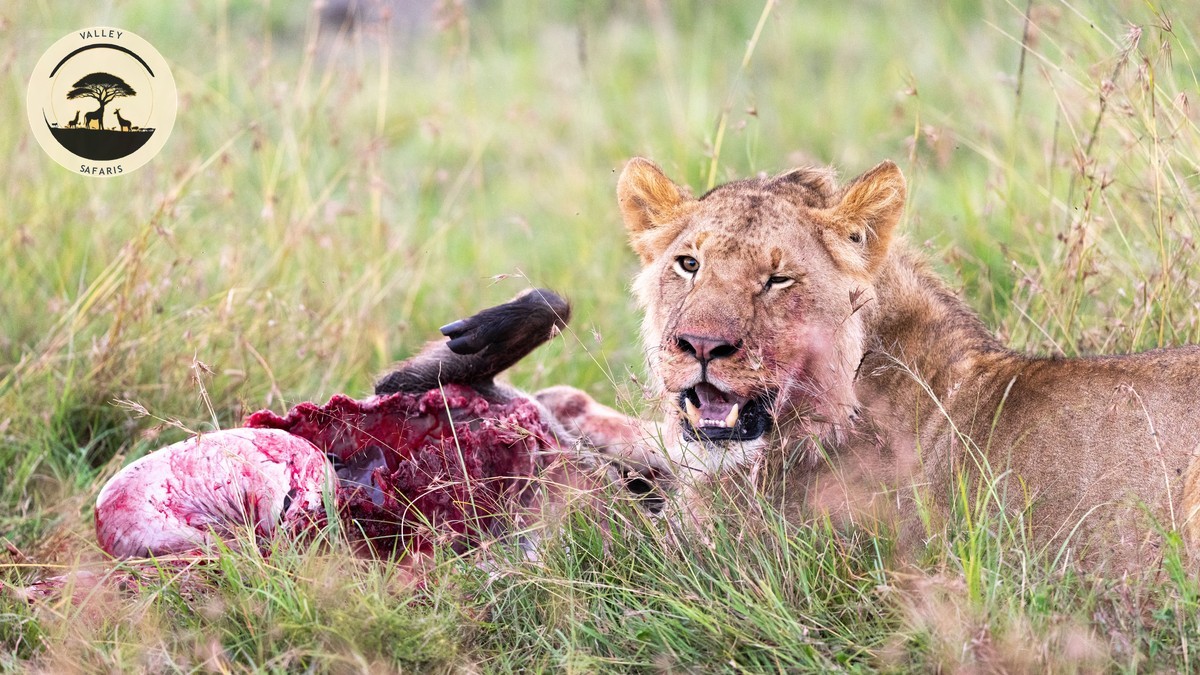
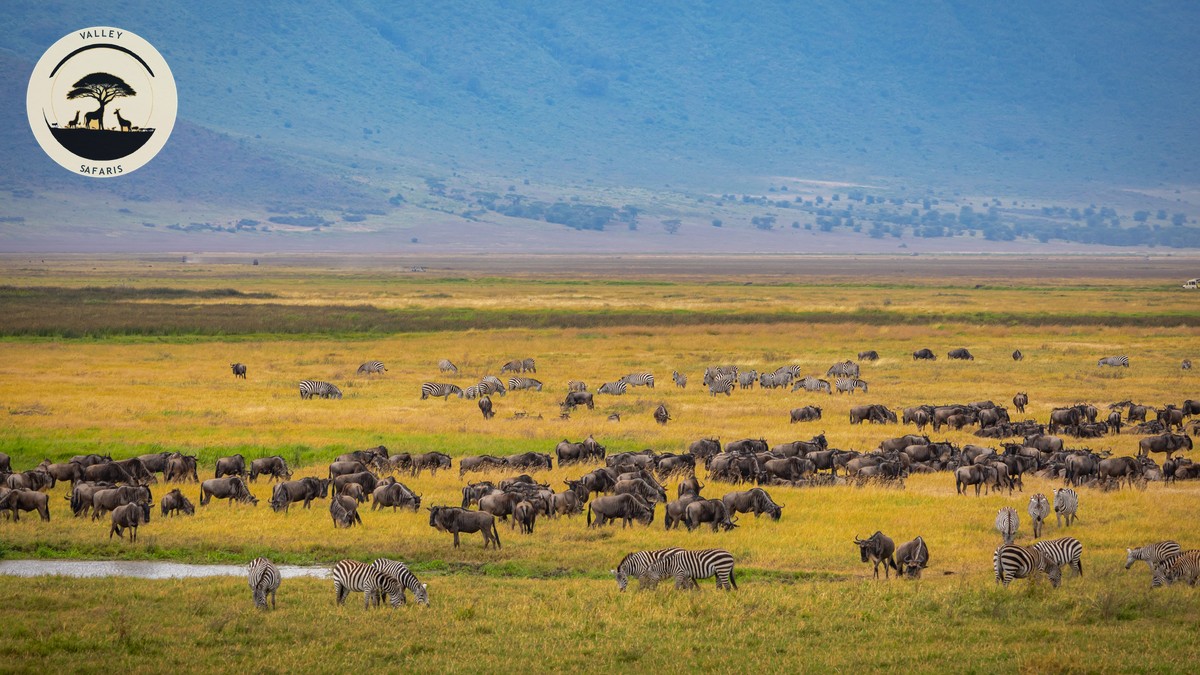
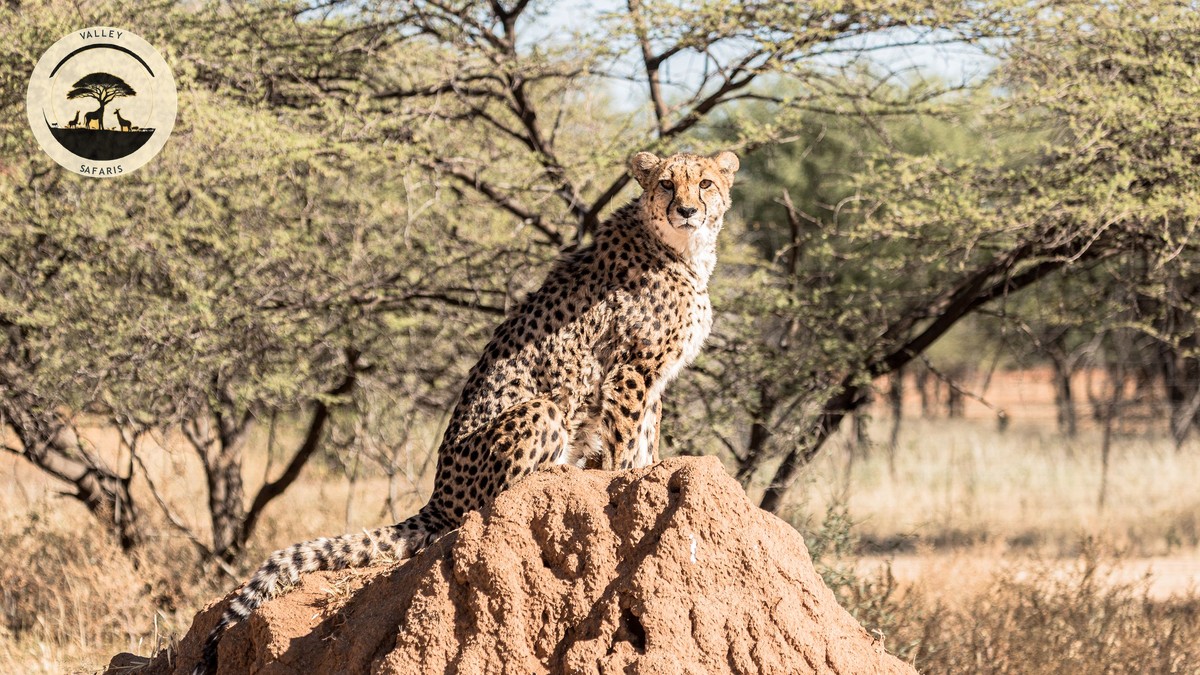
Masai Mara is Big Five country. Lion, leopard, elephant, buffalo, and rhino all live here, alongside the wildebeest migration between roughly July and October. Cheetah sightings are excellent too, and the open grassland means you often see predators from a long way off.
Samburu sits in a drier, more arid landscape north of the equator, and it has its own headline species, often called the Samburu Special Five: Grevy’s zebra, reticulated giraffe, Somali ostrich, gerenuk, and beisa oryx. You will not find these five animals in the Mara. Samburu also has healthy lion and leopard populations, plus large elephant herds that gather along the Ewaso Nyiro River.
If your goal is ticking the classic Big Five in one trip, the Mara wins outright. If you want animals you have genuinely never seen before, Samburu delivers something different. For a deeper look at how this ecosystem compares to its quieter neighbor, read our guide on how Samburu compares to Meru.
Crowds and Atmosphere
This is where the Mara’s reputation gets complicated. During peak migration months, the main reserve can feel busy, with vehicles clustering around a single leopard sighting. Private conservancies bordering the reserve, like Mara North or Olare Motorogi, cap vehicle numbers and feel far quieter, but they cost more per night.
Samburu sees a fraction of the visitor numbers. Even in high season, you can drive for twenty minutes without passing another vehicle. For a first-timer who pictures wide-open bush with nobody else around, Samburu delivers that feeling more reliably than the main Mara reserve does.
Landscape and Scenery
The Mara is rolling green grassland, dotted with acacia trees and cut by the Mara River, where the migration’s dramatic crossings happen. It looks like the safari photos you have already seen, because it is where most of them were taken.
Samburu is rockier and drier, with doum palms lining the river and volcanic outcrops like Koitogor Hill breaking up the horizon. The light here, especially at sunset, has a warmer, dustier quality that photographers tend to love. Neither landscape is better. They are simply different moods for the same country.
Cost Comparison: What You Will Actually Pay
Prices shift with the season and the operator, but here is a realistic range across both parks, covering park fees, drive and flight logistics, and named camps at three budget levels.
| Masai Mara | Samburu | |
|---|---|---|
| Distance from Nairobi | About 270 km via Narok | About 325 km via Nanyuki |
| Drive time | 5 to 6 hours | 6 to 7 hours |
| Flight time from Wilson Airport | About 45 minutes | About 70 minutes |
| One-way flight cost (indicative) | Roughly $200 to $300 | Roughly $250 to $350 |
| Park fee, non-resident adult per day | Typically $70 to $80 (Narok County/Mara Triangle rates vary) | Typically $70 to $100 |
| Budget camp example | Miti Mingi Eco Camp | Public campsites near the main gate |
| Mid-range example | Mara Serena Safari Lodge | Samburu Game Lodge |
| Luxury example | Angama Mara, Governors’ Camp | Elephant Bedroom Camp, Saruni Samburu |
A rough guide: budget travelers can manage 3 nights in either park for $400 to $700 per person, mid-range travelers for $900 to $1,600, and luxury travelers should expect $2,500 and up. Samburu’s remoteness usually adds a little to transport costs, but its lodge rates are often slightly lower than equivalent Mara properties. For help figuring out exactly how long to book, see our notes on how many nights to plan per camp.
Accessibility and Getting There from Nairobi
The Mara is the easier trip logistically. A road transfer takes 5 to 6 hours on a mix of tarmac and murram, or you can fly in 45 minutes from Wilson Airport to airstrips like Keekorok, Musiara, or Ol Kiombo.
Samburu takes longer either way. The drive runs 6 to 7 hours through Nanyuki and Isiolo, with the second half on rougher road. Flying is the more comfortable option here, landing at Samburu or Kalama airstrip in about 70 minutes. For first-timers on a tight schedule, that extra travel time matters. It can eat a full day you would rather spend on game drives.
Best Time to Visit
The Mara has a clear headline season: July through October, when the wildebeest migration crosses the Mara River. It gets busy and prices rise, but the drama is real. Outside those months, the Mara is quieter and cheaper, with good resident wildlife year-round.
Samburu does not depend on a migration, so it is more forgiving on timing. The dry months from June to October and January to March give the easiest game viewing, since animals gather near the Ewaso Nyiro River. Rains fall roughly from November to December and March to May, and some roads get harder to manage then.
Culture: Maasai and Samburu Communities
The Mara sits in Maasai land, and many camps arrange visits to Maasai villages near the reserve boundary. You will see traditional homesteads, beadwork, and the adumu jumping dance.
Samburu is home to the Samburu people, cousins of the Maasai with their own distinct customs, dress, and language. Village visits here feel less traveled, with fewer tour groups passing through on a given day. If cultural exchange matters to you, both regions offer it, but Samburu’s version currently feels more low-key.
Samburu vs Masai Mara First Safari: Which Wins?
Here is our direct answer, not a shrug. For a first safari, choose Masai Mara.
The reasons are practical. It is closer to Nairobi, so you lose less time to travel. It guarantees Big Five sightings in a shorter stay, which matters if you only have 3 or 4 days. Infrastructure is more developed, with more camps, more guides, and more experience handling first-time visitors. And if your trip happens to land between July and October, you get a genuine shot at the migration.
Samburu rewards travelers who already know what a safari feels like and want something quieter and more unusual. It is a superb second trip, not a weak first one. Is Samburu safe for first-time visitors? Yes, entirely. It is simply less forgiving of a short timeline, because the added travel time eats into game-drive hours.
Can You Combine Samburu and Masai Mara?
Yes, and plenty of our clients do exactly this on a 7 to 9 day trip. The most efficient way is flying, since the drive between the two parks is not direct and would eat an entire day. A typical route flies Nairobi to Samburu for 3 nights, then Samburu to the Mara for 3 to 4 nights, skipping Nairobi traffic entirely on the return leg. We map out exactly this kind of route in our guide to a two-region flight circuit combining Mara and the north.
If your budget and schedule allow 8 days or more, combining both parks gives you the classic Big Five and the Special Five in one trip. If you are working with 5 days or fewer, pick one. Splitting a short trip between two parks usually means you rush both and enjoy neither.
The Valley Safaris Difference
We have driven both routes more times than we can count, and we plan trips around what actually works for your dates and budget, not a generic template. That means telling you honestly when Samburu is not worth the extra drive time for a 3-day trip, or when a Mara conservancy stay will serve you better than the crowded main reserve during migration season.
Every itinerary we build names real camps, real drive times, and real costs before you commit to anything. Past guests remember the details more than the big moments, like the guide who quietly rerouted a game drive to catch a cheetah hunt, or the sundowner picnic laid out on a riverbank with nobody else in sight. That is the planning work happening behind the scenes on every trip we run.
Ready to Plan Your First Safari?
Whether it is your first trip to the Mara or a combined Samburu and Mara circuit, we would love to help you plan it properly. Visit our Masai Mara safari page to see sample itineraries, or head to our contact page to start a conversation about your dates and budget.